Do You Have to Buy Insurance Before Getting Pregnant? A Complete Guide to Hong Kong Maternity Insurance, Maternity Medical Coverage, And Pregnancy Protection
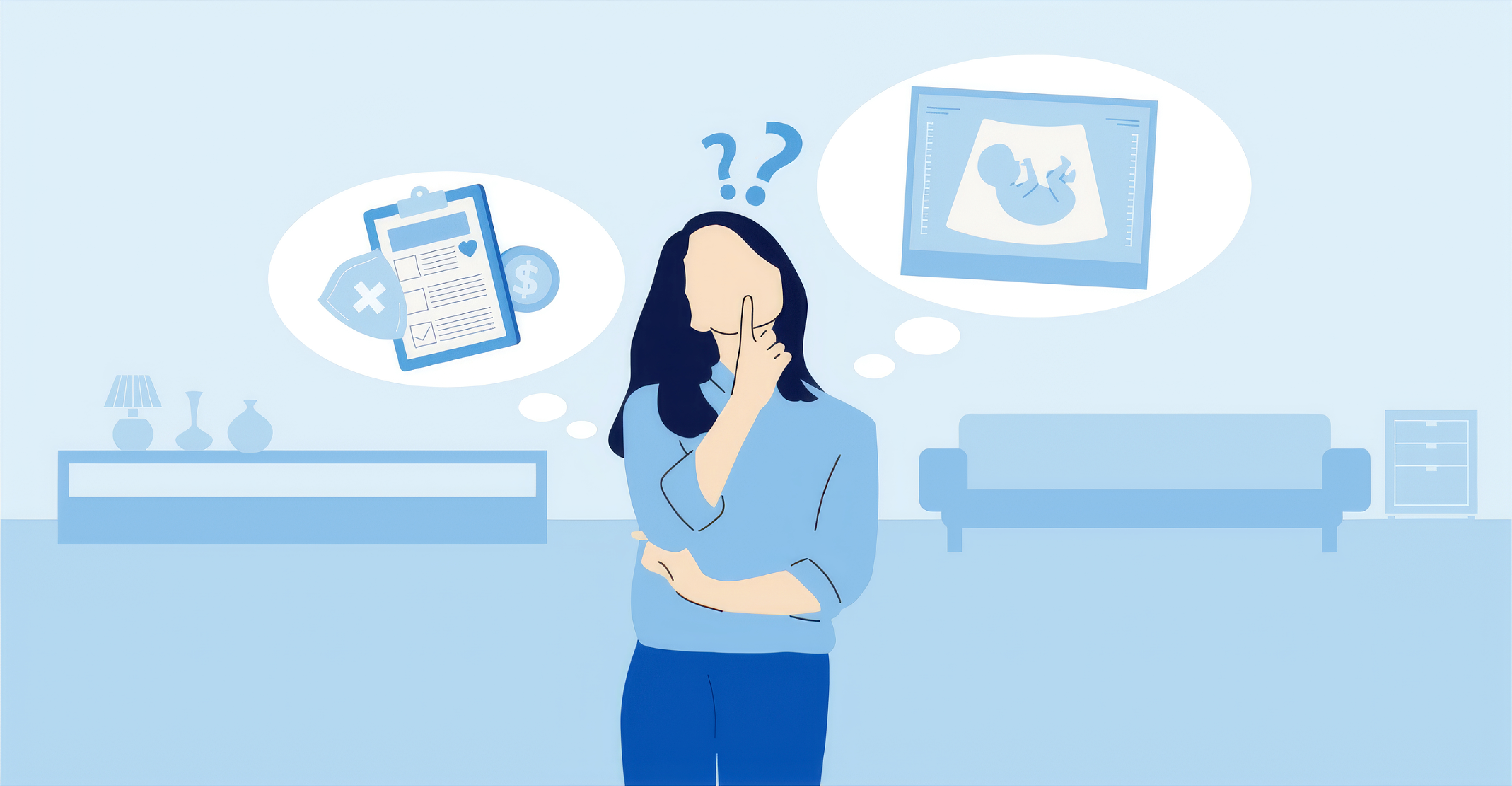
Pregnancy is a major milestone in life. Beyond preparing to welcome a new baby, expectant parents also need to think ahead about the health and medical needs of both the mother and the newborn. For many families, maternity coverage is often their first deep dive into understanding medical insurance.
But when should maternity coverage start? Is standard medical insurance sufficient? What does pregnancy coverage typically include? And how much does it cost in Hong Kong? This article answers these common, practical questions from the perspective of what parents-to-be truly want to know.
What Is Maternity Insurance?
Maternity insurance, often referred to as pregnancy insurance, typically provides coverage for childbirth, prenatal and postnatal care, and potential complications related to pregnancy.
Currently, maternity insurance cannot be purchased as a standalone product. It must be added to a hospitalization medical insurance plan. That means in addition to pregnancy-related benefits, policyholders may also receive general medical coverage such as inpatient and surgical benefits.
Do You Have to Buy Insurance Before Getting Pregnant?
A lot of people wait until they are already expecting before thinking about insurance. But most medical plans have a waiting period for maternity benefits.
How Long Is the Maternity Waiting Period?
- Usually 9 to 18 months
- Pregnancy-related medical expenses, including prenatal care, delivery, and complications, are usually not covered during this time
Therefore, if you apply for insurance only after becoming pregnant, you likely will not be eligible for maternity coverage at the time of delivery, even if your policy is approved.
For families planning a baby, arranging maternity coverage before conception is crucial to ensure protection is in place when it is needed most.
Does a Standard Medical Plan Cover Childbirth?
This is one of the most common questions among expectant parents. General medical insurance focuses on illness and hospitalization, and may not automatically cover normal delivery, prenatal checkups, or postnatal care.
Typically, you will need maternity coverage if you want benefits for:
- Prenatal checkups
- Delivery, including natural birth or C-section
- Maternity-related hospitalization
- Pregnancy and postpartum complications
Whether you need a maternity add-on depends on what your current medical policy already includes and your expectations for pregnancy and birth-related medical services.
Common Medical Risks During Pregnancy and Postpartum
Expectant mothers may encounter a range of medical needs before and after birth, including:
During Pregnancy
- Gestational diabetes
- Gestational hypertension
- Emergency C-section
After Delivery
- Postpartum hemorrhage
- Infections or a prolonged hospital stay
Having appropriate maternity coverage can help ensure access to needed care in these situations and reduce the family’s financial burden.
What is Typically Included in Maternity Coverage?
Benefits differ among Hong Kong maternity insurance plans, but they may include the following (subject to policy terms):
- Prenatal check‑up coverage
- Childbirth‑related medical expenses (natural birth or C‑section)
- Maternity hospitalization
- Treatment for pregnancy and postpartum complications
- Postnatal care
- Newborn medical coverage (available under some plans)
What Exclusions or Limitations Should You be Aware of?
Expectant parents should take note of the following:
- Most plans include a waiting period
- Certain benefits may have claim limits
- Elective or non‑medical procedures may be excluded
- Assisted reproduction treatments (e.g., IVF) are often not covered
- Actual coverage is determined by each plan’s terms and definitions
How to Understand Maternity Coverage Costs in Hong Kong?
In Hong Kong, expenses can differ widely based on several factors, including:
- Whether you use public or private hospitals
- Natural delivery vs. C-section
- Length of hospital stay and required medical procedures
- Prenatal and postnatal care arrangements
In general, giving birth in a private hospital in Hong Kong is significantly more costly. Appropriate maternity coverage can help reduce these expenses and provide greater flexibility in choosing healthcare options.
Key Considerations When Choosing Maternity Coverage
When evaluating different plans, you may consider:
- Whether your current medical insurance allows you to add maternity benefits
- Whether the coverage aligns with the medical services you plan to use
- Whether the waiting period fits your family planning schedule
- Whether the benefit limits are sufficient
- Whether the premium suits your long‑term budget
Bupa Hero VHIS Plan – Optional Maternity Coverage
Bupa Hero VHIS Plan offers optional maternity coverage, allowing customers to choose pregnancy and childbirth benefits according to their personal needs, including:
- Prenatal check‑ups
- Delivery (including C‑section)
- Postnatal care
- Newborn medical coverage (depending on the plan)
👉Learn more
Frequently Asked Questions (FAQ)
Q: Is it still worthwhile to purchase insurance after becoming pregnant?
A: Because maternity benefits come with a waiting period, coverage may not start in time. Securing maternity coverage well in advance of pregnancy helps ensure protection when it’s needed most.
Q: Are prenatal check‑ups always covered?
A: Coverage varies by plan. Some policies set limits on the number of visits or the reimbursement amount.
Q: When should I arrange medical insurance for my newborn?
A: Some plans offer immediate newborn coverage, while others require a separate policy after birth. It’s best to learn about your options early.
Summary
Planning for maternity coverage early can make a big difference. By understanding when to apply, what is covered, and the potential costs ahead of time, expectant parents can feel more prepared and confident as they get ready to welcome their baby.
About the Author
Bupa editorial team
This article is prepared by Bupa’s professional editorial team based on current VHIS and tax deduction arrangements in Hong Kong, with reference to publicly available government information and Bupa health insurance materials.
Disclaimer
This article is for general information and reference only and does not constitute insurance, medical, investment, tax, or legal advice. VHIS tax deduction arrangements and examples are based on publicly available information at the time of writing. Actual tax treatment is subject to the latest requirements of the Inland Revenue Department and applicable laws. Policy coverage, terms, and premiums are subject to the relevant policy provisions and final approval by the insurer. Bupa makes no representation as to the completeness or accuracy of this content and accepts no liability for any loss arising from reliance on this information. Professional advice should be sought where appropriate.
Related Articles:
VHIS plan:
Talk to us
Contact our health management consultant to get details and advice.
2517 5860
Mon-Fri 9am-9pm (except public holidays)