Complete Guide to Newborn Medical Insurance 2026|Ideal Enrolment Timing, Coverage Breakdown, Waiting Periods, Congenital Condition, VHIS Tax Advantages, and FAQs
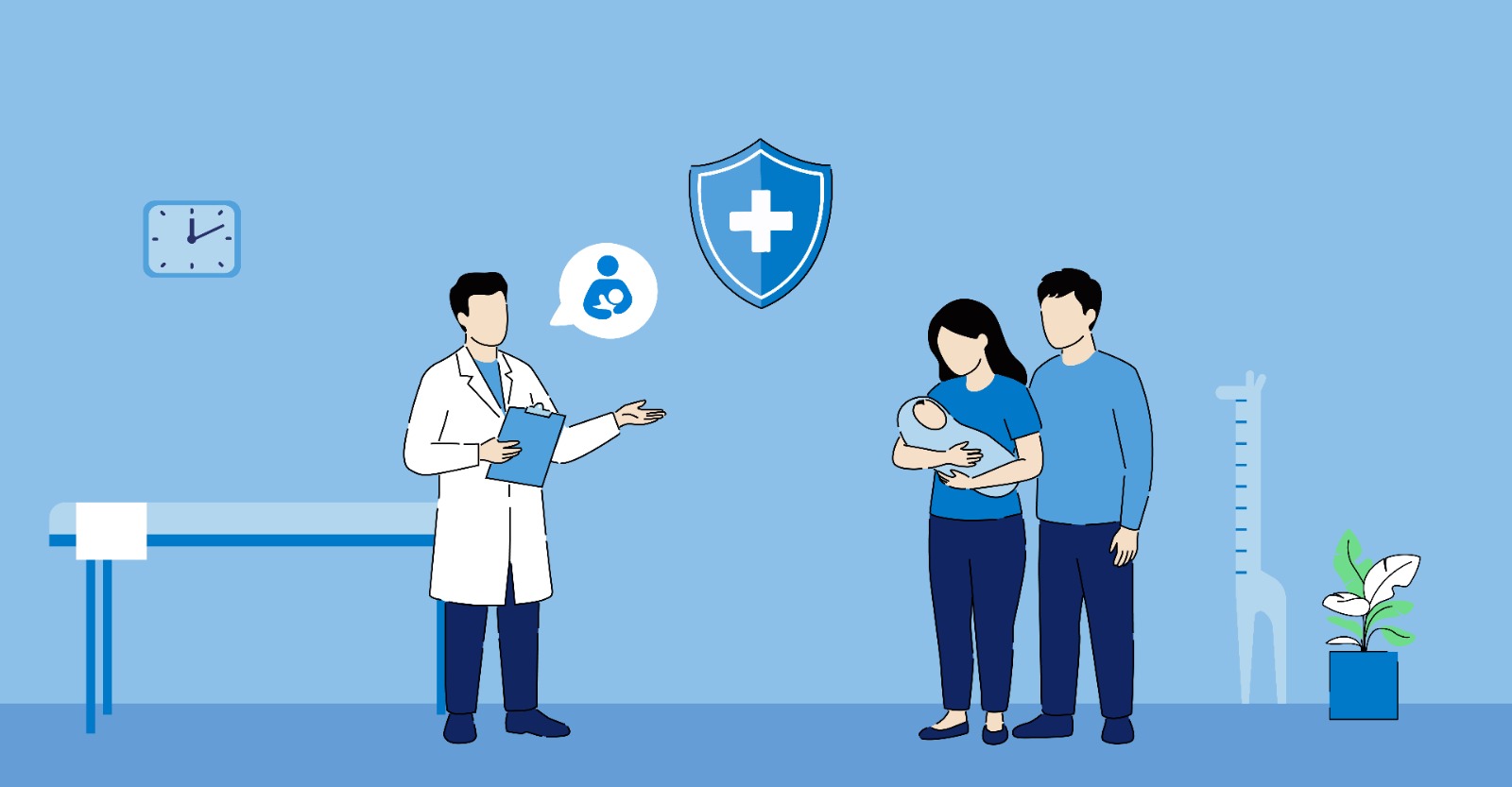
Welcoming a new baby is exciting, but parents must also plan ahead for your child’s healthcare and medical expenses. Newborn insurance (also known as baby medical insurance or newborn coverage) helps protect your little one by covering hospitalization, surgeries, and day treatments. If you choose a VHIS‑certified plan, you may also qualify for tax deductions. This guide provides everything you need to know, including the ideal purchase timing, coverage details, waiting periods, congenital conditions, VHIS tax advantages, and answers to common questions, to help you set up the right medical protection for your baby in Hong Kong.
Medical costs for prenatal check‑ups, delivery, and newborn care can vary widely in Hong Kong, depending on the doctor, hospital, room type, and whether a C‑section is needed. If your baby requires neonatal intensive care (NICU) or extended hospital stay, expenses can increase sharply. Preparing early can help families manage costs more comfortably and enjoy greater flexibility in their medical choices.
When is a Baby Eligible for Insurance?
Earliest Enrolment Age: Many medical and VHIS plans accept applications once a newborn reaches 15 days old. A common age eligibility range for VHIS‑certified plans is “15 days to 80 years”, but this may vary by insurer.
Waiting Period: Under VHIS, unknown pre-existing conditions are covered on a progressive basis. They are not covered during the first policy year, increase to 25% coverage in the second year, 50% in the third year, and are fully covered from the fourth year onward, subject to other policy terms and conditions.
To minimize any gap between your baby’s healthcare needs and the policy’s effective coverage, parents are advised to arrange insurance as soon as possible after birth. Understanding waiting periods and coverage rules in advance can help you avoid future exclusions.
What does Newborn Medical Insurance Usually Cover?
Core Hospitalization and Surgical Benefits
It includes surgeons’ fees, room and board, operating theatre and equipment, doctors’ rounds, anaesthesia, and related specialist charges. Many plans also cover day surgeries and specified diagnostic imaging (e.g., CT/MRI/PET) (subject to benefit limits and coinsurance).
Specified Non‑Surgical Cancer Treatments
Under VHIS, coverage must include radiotherapy, chemotherapy, targeted therapy, immunotherapy, and hormonal therapy (subject to benefit limits and coinsurance).
Why do Babies Need Outpatient Coverage?
A baby’s immune system is still developing, and common illnesses such as colds, gastroenteritis, and fever often require assessment by a paediatrician or specialist. Outpatient coverage usually includes general practitioner and specialist visits, Chinese and Western medicine, prescribed medications, diagnostic imaging, and laboratory tests. Some plans may also cover home visits or specific vaccinations, depending on the policy terms.
Key Considerations for Hospitalization Coverage: Companion Bed, Day‑Case Surgery and Pre‑/Post‑Hospital Care
- Companion Bed Benefits : When a child is hospitalized, parents usually want to stay with them. Check whether the plan includes companion bed benefits.
- Day Surgery and Pre‑/Post‑Hospital Care : Review coverage periods and visit limits for day surgeries and related pre‑ and post‑hospital outpatient care. Some plans offer long treatment windows. For example, 90 days before admission/surgery and 1 year after discharge, depending on the plan.
How to Understand and Compare Congenital Conditions?
- VHIS Congenital Conditions Rule: Congenital conditions that appear or are diagnosed at age 8 or later are treated as extended coverage items. These follow the progressive coverage arrangement for unknown pre‑existing conditions.
- Congenital Conditions During Infancy : Coverage, benefit limits, and waiting periods for congenital conditions vary completely by policy. Some medical plans and VHIS optional benefits provide a clear list of the congenital conditions they cover, so parents should review these details carefully.
What Insurance does a Baby Need?
Priority order: Medical > Critical Illness > Accident > Life
For newborns, it is recommended to treat medical insurance (inpatient and outpatient) as the core coverage so that medical expenses can be reimbursed based on actual costs. If there is a need to prepare for living and caregiving expenses during serious illnesses, critical illness insurance can be considered next. Accident and life insurance can then be arranged separately depending on the family’s caregiving situation and financial goals. This order aligns with a baby’s realistic medical needs and a family’s financial capacity.
VHIS and Tax Deductions
- Core features of VHIS: Guaranteed renewal up to age 100, no lifetime benefit limit, progressive coverage for unknown pre‑existing conditions, and extended benefits for day surgeries, specified diagnostic imaging tests, and designated non‑surgical cancer treatments (subject to the limits and coinsurance of the policy).
- Tax deductions: Parents who are the policyholders may claim tax deductions on eligible premiums paid for VHIS‑certified plans, either for themselves or for specified dependents, including children. The deduction cap is HK$8,000 per insured person per year. Only the certified portion of the premium is deductible (the final amount depends on the tax assessment year and the individual’s tax rate).
Practical Decision Guide
- Identify your needs: :Consider whether outpatient benefits are necessary, including general practitioner visits, specialist consultations, medications, and vaccinations. Think about how often you use private healthcare and whether you prefer the convenience of cashless settlement.
- Review key policy rules:Look closely at waiting periods, progressive coverage for unknown pre‑existing conditions, how congenital conditions are handled, and the terms for day surgery. Also check limits for diagnostic imaging and any required coinsurance (VHIS plans provide a clear and standardized framework in these areas).
- Consider tax planning: If you want to take advantage of tax deductions, make sure the plan is VHIS‑certified and keep proof of premium payments for your tax filing.
- Manage your budget:If you mainly rely on public healthcare, you can begin with basic inpatient protection. If you often use private healthcare, pay particular attention to benefit limits for day surgeries, diagnostic imaging, and non‑surgical cancer treatments.
How can Bupa Plans Support You?
Entry Age and Renewal: Bupa children and family plans typically insure infants from 15 days old onward and offer lifetime guaranteed renewal (subject to plan terms).
Frequently Asked Questions from New Parents
Q1:If I buy insurance right after my baby is born, when does the coverage begin? Is there a waiting period?
A: Most plans allow babies to be enrolled once they reach 15 days old; different benefits may have waiting periods. For VHIS, unknown pre‑existing conditions follow a progressive coverage arrangement: 0 percent coverage in the first year, 25 percent in the second year, 50 percent in the third year, and full coverage from the fourth year onward.
Q2:Are congenital conditions covered?
A: Under VHIS, congenital conditions that first appear or are diagnosed at age eight or above are treated as extended coverage and follow the progressive coverage arrangement. For congenital conditions identified in infancy, coverage and benefit limits differ among plans, so it is important to review each policy carefully.
Q3: Which is more important, outpatient or inpatient coverage?
A: Babies tend to fall ill more frequently and often require paediatric or specialist consultations, so outpatient coverage provides more immediate and practical support. Inpatient coverage, however, is essential for observation, surgery, and higher‑cost medical situations. Both types of coverage play important roles.
Q4: Which products qualify for tax deductions?
A: Only VHIS‑certified plans are eligible for tax deductions. The deduction is capped at HK$8,000 per insured person per year, and only the VHIS‑certified portion of the premium qualifies. The actual deduction depends on your personal tax rate and the applicable tax assessment year.
Q5: If the mother already has maternity coverage, does the baby still need insurance?
A: Maternity coverage protects the mother during pregnancy, delivery, and related complications. Newborn insurance protects the baby for hospitalization, treatment, and other medical needs. They serve different purposes and should be assessed separately.
Summary: Prioritize inpatient and outpatient, then add on as needed
- Start with inpatient/surgery + outpatient (consider VHIS plans). Add critical illness or other coverage based on needs
- Understand waiting periods, unknown pre‑existing conditions, and congenital condition rules
- If you choose a VHIS plan, utilize the available tax deductions. Evaluate whether experience‑based features such as cashless admission at designated private hospitals and companion bed benefits meet your needs
👉 For quicker comparisons or quotes, you can visit the Bupa online quotation platform or speak with an advisor to find the right newborn medical coverage for your family in Hong Kong.
Learn more Bupa Medical Insurance GuideAbout the Author
Bupa editorial team
This article is prepared by Bupa’s professional editorial team based on current VHIS and tax deduction arrangements in Hong Kong, with reference to publicly available government information and Bupa health insurance materials.
Disclaimer
This article is for general information and reference only and does not constitute insurance, medical, investment, tax, or legal advice. VHIS tax deduction arrangements and examples are based on publicly available information at the time of writing. Actual tax treatment is subject to the latest requirements of the Inland Revenue Department and applicable laws. Policy coverage, terms, and premiums are subject to the relevant policy provisions and final approval by the insurer. Bupa makes no representation as to the completeness or accuracy of this content and accepts no liability for any loss arising from reliance on this information. Professional advice should be sought where appropriate.
Related Articles:
VHIS plan:
Talk to us
Contact our health management consultant to get details and advice.
2517 5860
Mon-Fri 9am-9pm (except public holidays)